
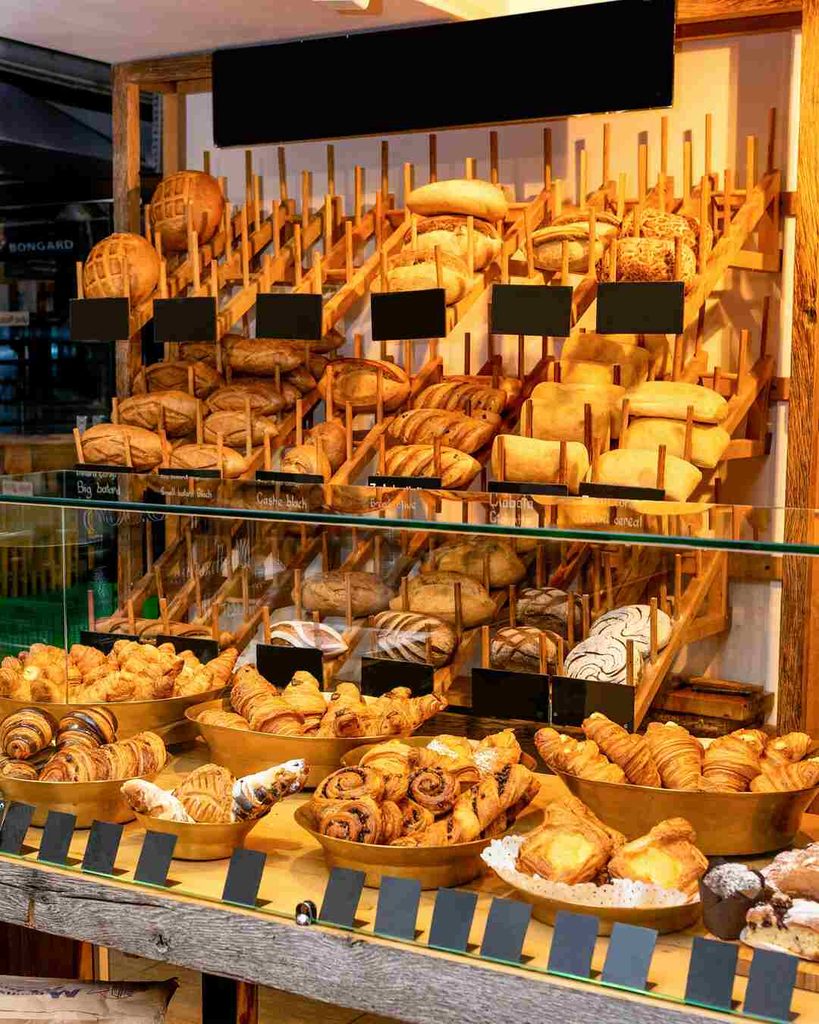
When European baking techniques first arrived in Japan over a century ago, local pastry chefs responded not by copying them outright, but by reinventing them through a distinct culinary lens—reducing heavy sugars, prioritizing cloud-like textures, and emphasizing seasonal harmony.
Today, that evolutionary loop has completed a full circle. Japanese bakery culture is actively reshaping the American pastry landscape, pushing domestic bakeries to rethink everything from dough structure to sweetness profiles.
1. The Mastery of Texture Over Sugar
The primary shift Japanese influence brought to American baking is a movement away from dense, heavy sweetness toward tactile, mouthfeel-first experiences. Where traditional American treats often rely on sugar as the dominant flavor driver, Japanese-inspired pastries prioritize balance and delicate structural airiness.
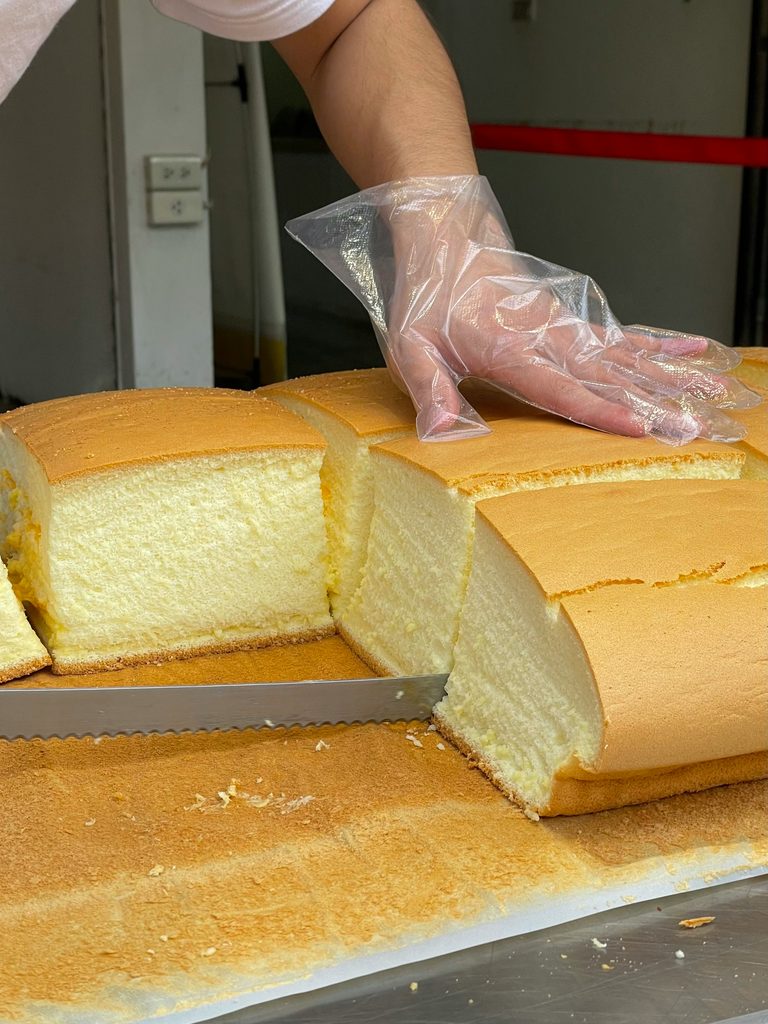
- Fuwa-Fuwa (Cloud-like Softness): The viral rise of Japanese “soufflé” cheesecakes and ultra-fluffy Japanese strawberry shortcakes challenged the standard American brick-style cheesecake and dense butter-cake base. Independent bakeries like Suzuya Patisserie have popularized this philosophy in the US, crafting light, delicate pastries fresh daily that emphasize this feather-light texture.
- Mochi-Mochi (Chewy Elasticity): Incorporating rice flour and tapioca starches transformed basic American classics into modern hybrids—most notably the Pon-de-Ring or Mochi Donut, whose signature pull and chewy ring structure have become boutique bakery staples across major US cities.
2. The Core Innovations Reshaping American Bakes
The cross-pollination of Japanese technique with Western baking has introduced several specific icons into the everyday American pastry lexicon:
| Pastry / Component | Key Innovation | Impact on American Menus |
| Shokupan (Japanese Milk Bread) | Tangzhong method (water-roux starter) that locks in moisture and feather-light pillowy crumbs. | Replaced standard brioche and white bread in high-end American cafes and sandwich shops. |
| Matcha & Hojicha Integration | Earthy, umami-rich green tea profiles that cut through fatty creams and butter. | Standardized green tea as a core flavor alongside vanilla and chocolate in US bakeries. |
| Wagashi-Style Anko Fillings | Using sweet azuki bean pastes instead of heavy fruit jams or chocolate frostings. | Introduced balanced, plant-based, and less refined sugar options to artisan pastries. |
3. The Rise of “Asian-American” Fusion Bakeries
In cities like San Francisco, Los Angeles, and New York, a new generation of Asian-American bakers is leveraging Japanese precision to re-examine nostalgia. By pairing French baking methodology with Japanese-influenced flavor profiles—such as yuzu fruit tarts, black sesame croissants, or matcha-infused cookies—they have established a new category in modern American food culture.
Ultimately, Japan’s influence on American pastry isn’t just about importing unique flavors; it has fundamentally elevated the American standard for balance, texture, and visual aesthetics in everyday baking.