
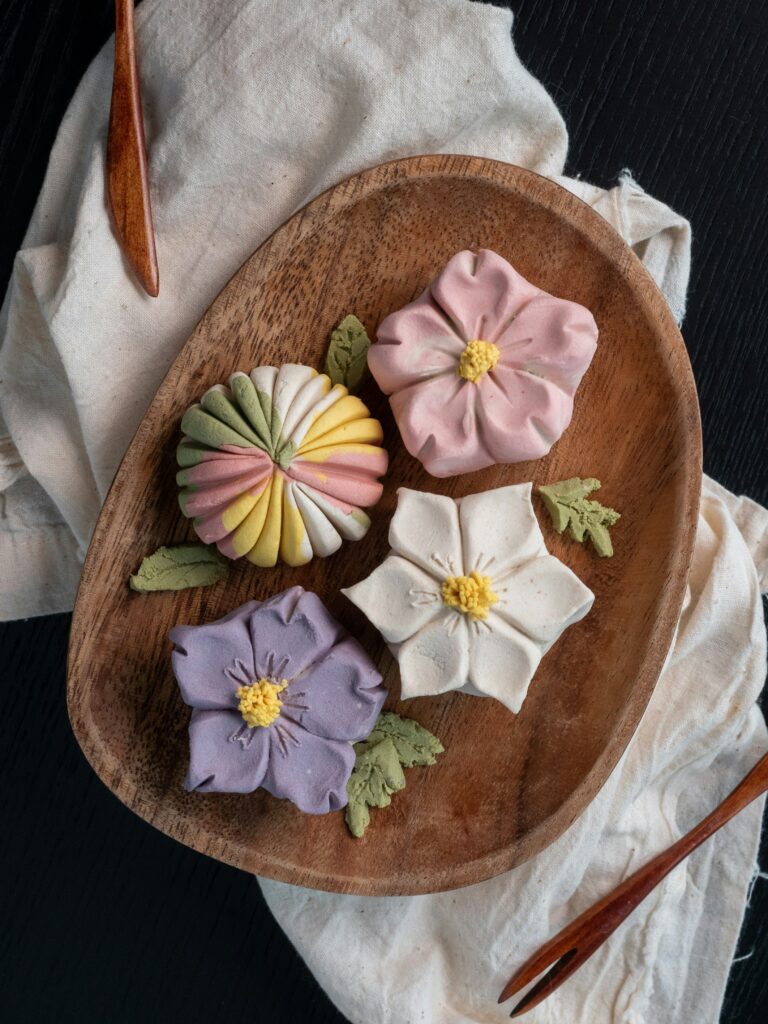
Wagashi, traditional Japanese sweets, are known for their delicate appearance and subtle flavors. While they may look intricate and artistic, the foundations of wagashi are surprisingly simple.
Made primarily from plant-based ingredients like rice flour and sweet bean paste, wagashi reflects centuries of Japanese culinary tradition and seasonal awareness.
If you’re new to Japanese confectionery, this beginner-friendly guide will walk you through the essential ingredients and basic techniques used to craft these beautiful sweets.
Key Takeaways
- Wagashi uses simple, natural ingredients
- Texture is just as important as flavor
- Many wagashi are steamed or shaped by hand
- Sweetness is typically mild and balanced
- Beginners can start with simple varieties like mochi or dorayaki
Essential Ingredients in Traditional Wagashi
Wagashi is known for its minimal ingredient list. The focus is on quality, texture, and presentation rather than heavy sweetness.
1. Rice Flour
Rice flour is the foundation of many wagashi.
There are different types used depending on the texture desired:
- Shiratamako – Glutinous rice flour used for soft, chewy mochi
- Joshinko – Non-glutinous rice flour used for firmer sweets
Rice flour provides the signature texture found in many traditional Japanese confections.
2. Anko (Sweet Bean Paste)
Anko is a sweet paste made from azuki beans and sugar. It is one of the most common fillings in wagashi.
There are two main types:
Type Texture Common Use
Koshi-an Smooth paste Filling for daifuku, dorayaki
Tsubu-an Chunky with bean skins Taiyaki, buns
Anko offers natural sweetness and pairs well with the mild flavor of rice dough.
3. Sugar
Traditional wagashi uses less sugar than many Western desserts. The goal is subtle sweetness that complements green tea rather than overpowering it.
4. Natural Colorings
Wagashi often reflects the seasons, so natural dyes from ingredients like:
- Matcha (green)
- Sakura (pink)
- Yuzu peel (yellow)
are used to create soft, seasonal tones.
Basic Techniques Used in Making Wagashi
While some advanced wagashi require years of training, many beginner-friendly techniques are accessible at home.
Steaming
Steaming is commonly used to cook rice dough or certain fillings.
- Helps maintain moisture
- Creates soft, tender texture
- Preserves natural flavors
Mochi is often steamed before being shaped or filled.
Kneading and Pounding
For mochi, glutinous rice is steamed and then pounded until it becomes elastic and smooth.
This creates the signature chewy texture that defines many Japanese sweets.
Shaping by Hand
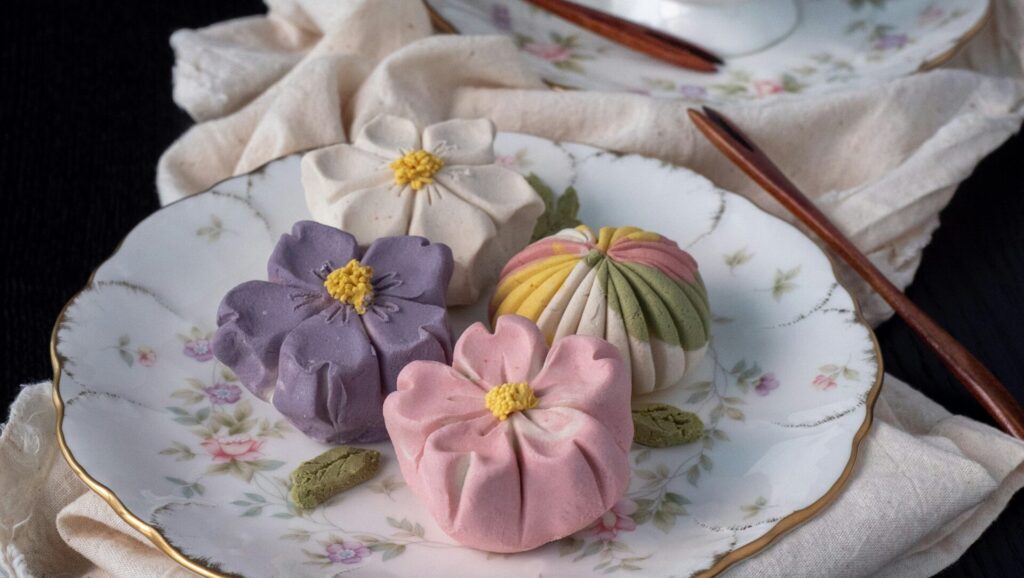
Many wagashi are shaped entirely by hand. Artisans gently mold dough into:
- Flowers
- Leaves
- Seasonal symbols
Even beginners can shape simple round daifuku or small decorative designs.
Filling and Wrapping
In sweets like daifuku, the dough is flattened, filled with anko, and carefully sealed.
The balance between outer dough and inner filling is important — too much filling can cause tearing.
A Simple Beginner Example: Making Daifuku
Daifuku is one of the easiest wagashi to try at home.
Basic Steps:
- Mix glutinous rice flour with water and sugar
- Steam or microwave until thick and sticky
- Let cool slightly
- Flatten small portions
- Add a ball of anko
- Wrap and seal gently
The result is a soft, chewy sweet with a smooth bean filling.
Tools That Make It Easier
You don’t need specialized equipment to start, but a few tools help:
- Steamer or microwave-safe bowl
- Silicone spatula
- Clean surface dusted with cornstarch or potato starch
- Small scale for portioning
Advanced wagashi artisans may use wooden molds and carving tools, but beginners can focus on simple shapes.
Why Texture Matters in Wagashi
Unlike many Western desserts that prioritize richness or sweetness, wagashi emphasizes:
- Softness
- Elasticity
- Smoothness
- Balance
The texture should feel light and pleasant, especially when paired with green tea.
Common Beginner Mistakes
- Overfilling the dough
- Using boiling water for matcha-based sweets
- Adding too much sugar
- Not dusting surfaces to prevent sticking
Patience and gentle handling are key.
The Beauty of Simplicity
Wagashi is often described as edible art, but at its core, it relies on simple ingredients and thoughtful preparation.
With practice, even beginners can create elegant sweets that reflect the harmony and mindfulness central to Japanese confectionery.
FAQ
What is the easiest wagashi to make at home?
Daifuku and simple mochi are the most beginner-friendly options.
Is wagashi always vegan?
Many traditional wagashi are plant-based, but some modern versions may include dairy.
Do I need special tools to make wagashi?
No. Basic kitchen tools are sufficient for simple varieties.Why is wagashi less sweet than Western desserts?
Traditional wagashi is designed to complement green tea, so sweetness is kept subtle.